.webp)
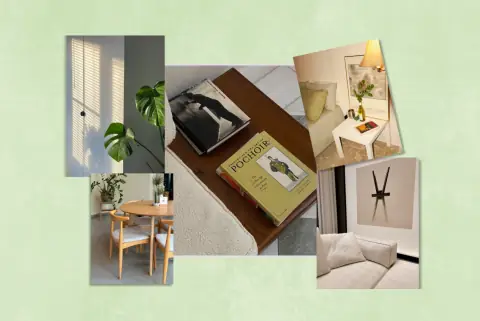
There comes a time when you realize your house looks good, but you still don't like living there as much as you had anticipated. The furnishings are elegant. The color choices are safe. Technically, nothing is incorrect. Still, something doesn't feel right. A bit chilly. A bit flat.
I've been hearing people talk about that feeling a lot lately. Not in big dramatic statements. Just brief remarks. A couch that is never quite cozy. An attractive room that doesn't entice you to stay. A room that looks great in photos but seems strangely solid in reality.
In 2025, many homes tended to appear serene and well-maintained. palettes that are neutral. Neat lines. Pieces that felt right. People now seem more open to acknowledging that some of those decisions didn't age as well as they had anticipated. Instead, what they desire feels more subdued. Warmer. Easier to coexist with. I keep observing these changes.
1. Loud Statement Rugs
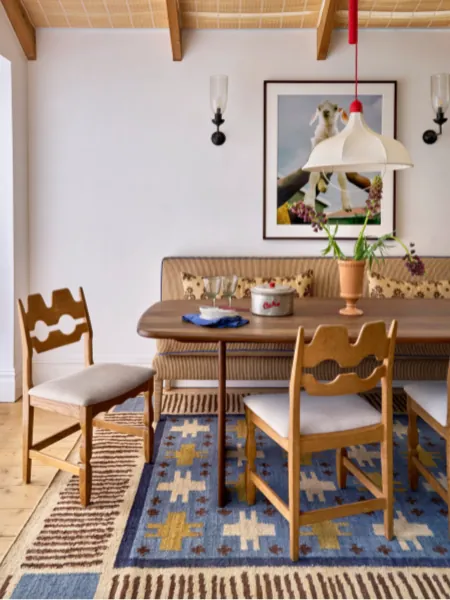
Rugs were considered background noise for a while. The majority of them were neutral, light, and made to blend in with the floor in 2025. Technically, they were successful. However, they hardly ever gave a room a sense of completion.
I've noticed that more and more people are selecting rugs that show up. Rich hues. Large patterns. Styles that seem deliberate rather than polite Particularly in spaces where everything else is straightforward. An eye-catching rug seems to give the room life. Instead of feeling empty, the room suddenly feels grounded. It seems more like saying, "This is the part of the room that matters," than decorating.
2. Curved Furniture
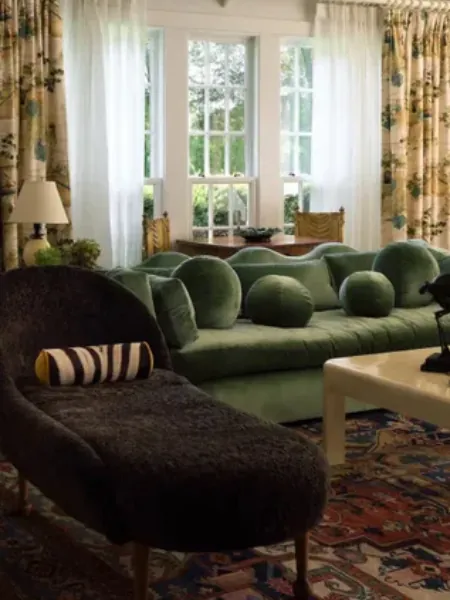
Boxy furniture lasted a long time. Arms that are straight. sharp edges. Everywhere there are neat silhouettes. That style felt safe and contemporary in 2025, but it also gave rooms a somewhat stiff feel.
Curved furniture is now softening things in a way that is almost sentimental. Rounded backs. Soft edges. Couches and chairs that don't seem to be drawing boundaries around you. People seem to unwind more in spaces like this, I've noticed. They stay there for longer. Without doing anything dramatic, the area feels more serene. It's a small change, but it alters how a space is utilized.
3. Botanical Prints
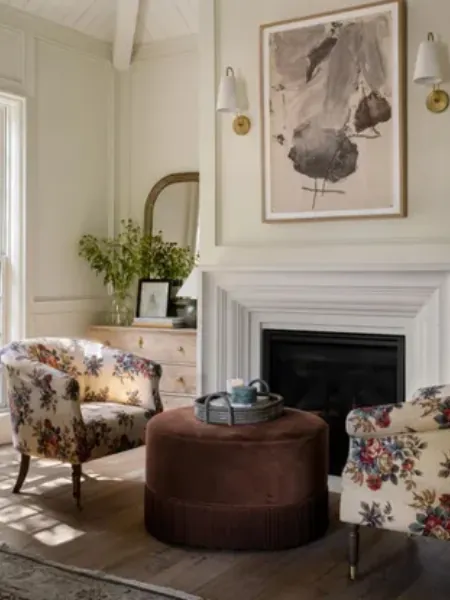
In the past, prints felt very controlled. Sharp lines. Tiny repetitions. Patterns that behaved themselves. Prints were tidy and predictabe in 2025.
That is being replaced by more detailed and unplanned botanical prints. Large flowers. Leafy forms. Patterns that don't exactly fit everything. They appear on cushions, curtains, and chairs. Not all at once. Just enough to give the space some vibrance. These prints don't feel coordinated, but rather gathered. Similar to something you added because you liked it rather than because it was required by a formula.
4. Chunky Seating
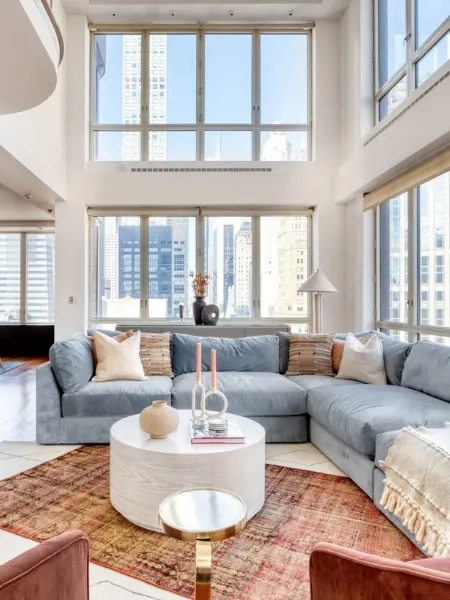
Many pieces of furniture from 2025 were attractive, but they didn't really make you feel welcome. Slender frames. Narrow cushions. Couches that were more comfortable to look at than to spend more than twenty minutes on.
The seats are now softer and larger. Deep sofas. Large chairs. Cushions that allow you to sink in without constantly adjusting. This change, in my opinion, is a result of people spending more time at home and realizing that comfort is more important than a tidy appearance. These pieces give rooms a lived-in, rather than staged, feel. To be honest, it makes a difference that they feel forgiving.
5. Freehand Details
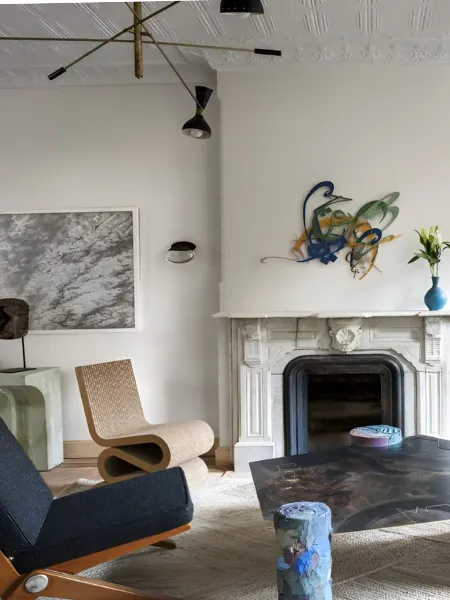
in 2025, the main aim used to be flawlessness. Surfaces that are smooth. Sets that match. Everything was perfectly aligned. That gave homes a polished, yet somewhat untouchable, feel in 2025.
I'm currently witnessing a shift toward items that seem to be handmade. Uneven textures. Brushstrokes are visible. Items that don't resemble anything else. Without making a lot of effort, these details add coziness to a room. They give the impression that someone truly resides in the space and isn't concerned with keeping it flawless.
6. Earthy Color Bases
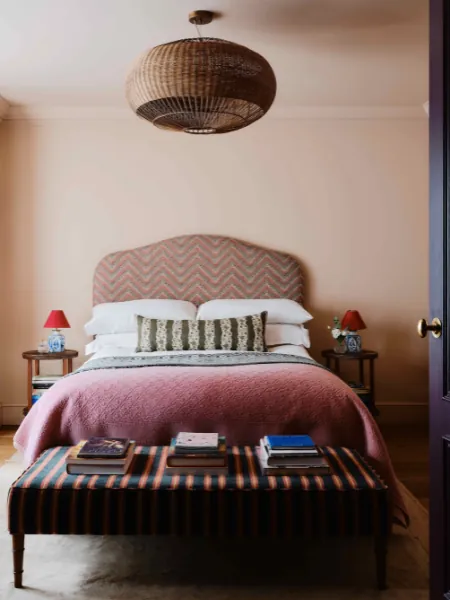
Cool grays and pale neutrals were everywhere in 2025. They felt modern and safe, but over time, many rooms started to feel cold.
Now, warmer tones are becoming the base instead of the accent. Soft browns. Muted greens. Clay shades. Deep blues. These colors make a space feel grounded and calm, especially in rooms where people want to relax. They work quietly in the background and make everything else feel more comfortable without demanding attention.
7. Sculptural Lighting
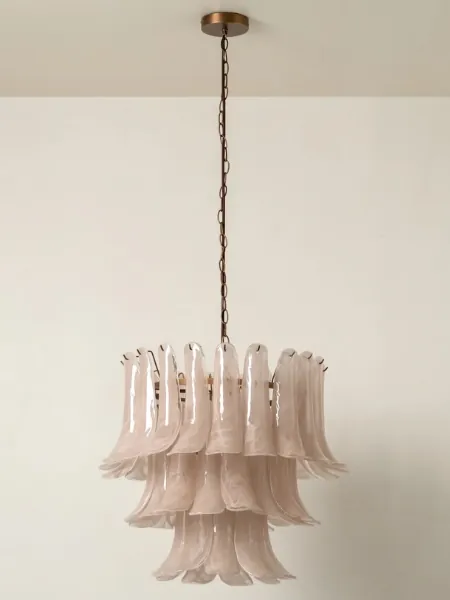
Lighting used to be an afterthought. In 2025, fixtures were often simple and forgettable. They worked, but they didn’t add much.
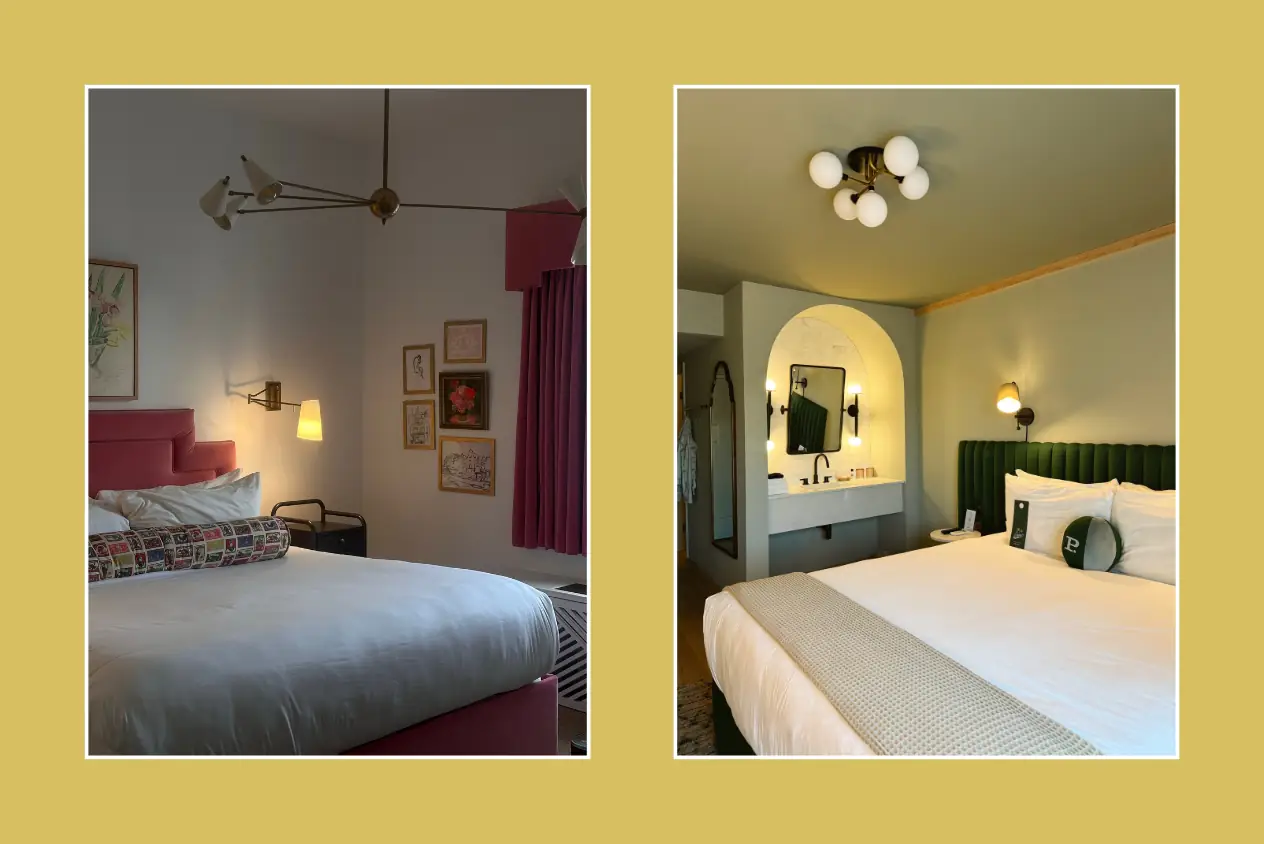
Lately, lighting feels more intentional. Sculptural shapes. Textured glass. Fixtures that add character even when they’re turned off. I love how lighting is being used to change the mood of a room instead of just brightening it. It’s one of those changes that doesn’t shout, but you feel it immediately.
Closing Thoughts
What stands out most to me about these shifts is how quiet they are. Nothing here feels extreme or trendy for the sake of it. People aren’t trying to reinvent their homes. They’re just making them easier to live in.
The move away from certain 2025 choices isn’t about regret. It’s about learning. Softer furniture. Warmer colors. Pieces that feel comfortable instead of correct. Homes are starting to feel more forgiving, more personal, and more human. And honestly, that feels like a better direction to head in.